With spring fast approaching, everyone is ready for sunshine and blue skies, but is your electrical system ready? Here are 3 quick things you should check on to make sure your system is just as ready for spring as you are:
1. Test Your GFCIs
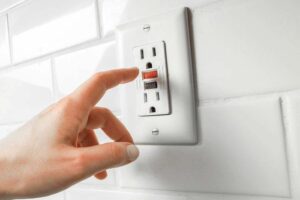
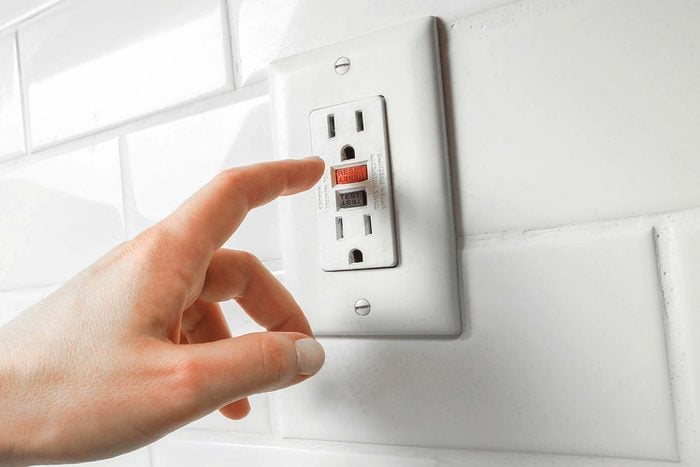
Winter can be yucky, and the winter humidity and dampness can wear out your Ground Fault Circuit Interrupters (GFCI’s). Luckily, there is a simple test you can do that takes 30 seconds or less. Your GFCIs are those outlets in wet areas such as the kitchen, bathroom, garage, or exterior. They have two buttons on them. The first is a “Test” button, and the other is a “Reset” button. Simply push the “Test” button, and the “Reset” button should pop out with a satisfying click, cutting power to the outlet. These are important because they are your first defense against electrical shock in wet areas like kitchens and bathrooms, so it is important to make sure they actually trip. If it doesn’t click, it’s time to replace it.
2. Inspect the “Outdoor Whip.”
This is a very important step before turning your AC on for the summer. That heavy-duty flexible cable (the “whip”) running from your house to your AC unit has been sitting in the snow and ice for months. Exposed wires outdoors are a major fire hazard and can lead to big problems the minute you try to switch that AC on. The cold can cause the outer casing to crack. If water from spring rain gets inside, it can short out your unit or cause the breaker to trip constantly. Squirrels and mice also love the texture of that conduit. If you see cracks, fraying, or exposed wires, don’t turn on the air! Replacing a damaged whip now is much cheaper than replacing a fried compressor later.
3. Give your Panel some Space
During the long winter, we tend to stack boxes, coats, holiday decor, snowboards, skiing equipment, and anything and everything right in front of the electrical panel. This poses a problem because in an emergency, you need to reach those switches quickly. Keeping the area clear also prevents heat buildup around the panel, which is just as important. It’s a good idea to ensure there is at least 3 feet of clear space in front of your panel.